SMARTER SUPPLY CHAINS. STRONGER BUSINESS.
Supply Chain Partners — Connecting People, Process, Technology

Industries / Parcel & Postal

Connect every item to a reliable delivery outcome.

Align collection, sorting, network capacity and delivery information so teams can understand where a parcel or postal flow is falling behind and act on the right exceptions.

← All industries

Follow the item, not just the depot average.

The journey spans collection, induction, sorting, trunking, local delivery and the final handover. Each step depends on the timing and quality of the information passed to the next team. A strong average can conceal a missed cut-off, an unreadable item or an unresolved delivery exception.

We help examine the relationship between item mix, workload, sort capacity, dispatch windows and delivery commitments. Parcel and letter flows may need different operating rules; their priorities should be made explicit rather than assumed to be interchangeable.

Start with one service, route or processing flow. Connect physical observations and scan events with the customer promise, then agree where a process, system or responsibility needs to change.

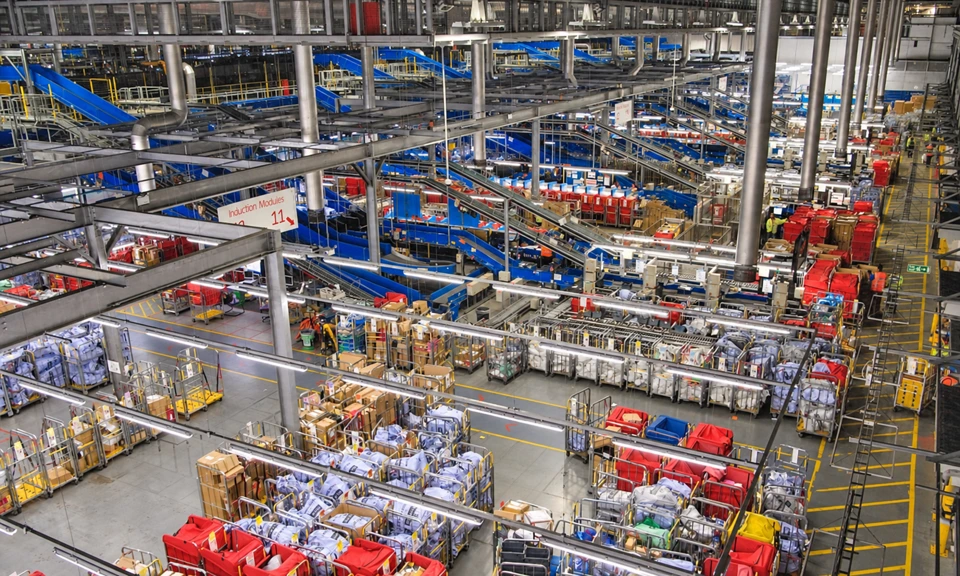
Postal sorting facility with conveyors, mail bags and roll cages
Conveyors move items through the postal sorting facility, while mail bags and roll cages hold items for processing and onward dispatch.

Sector focus areas

Connect the operating detail to a defined business decision.

01 / SECTOR FOCUS

Collection and network handovers

Examine induction quality, address and label data, container or item identity, sort plans and dispatch cut-offs. Identify where missing information or a missed connection creates rework or a late arrival downstream.

02 / SECTOR FOCUS

Sorting and operating capacity

Compare arrival profiles, item characteristics, available capacity and the work needed to handle exceptions. Assess automation against the actual workload and operating process, including manual recovery and peak demand.

03 / SECTOR FOCUS

Delivery, returns and customer information

Connect scan events, attempted delivery, proof of delivery and return reasons to a clear item history. Agree who investigates a missing event or disputed outcome and how accurate updates reach the customer.

How Supply Chain Partners can help

Understand and prioritise

Map the current process, information and recurring exceptions. Agree the business outcome, service boundary and baseline before choosing technology.

Explore this expertise →

Design and connect

Define requirements, data ownership, interfaces and exception handling. Review provider designs against the operating process and agree acceptance criteria.

Explore this expertise →

Test and embed

Plan proportionate testing, business acceptance and cutover. Support training, ownership and post-implementation review so the change can work in day-to-day operations.

Explore this expertise →

Relevant experience

Practical experience behind the conversation.

Experience across three postal-sector engagements provides a practical foundation for discussing parcel and postal operations, business requirements and the delivery of change.

Explore selected project experience →

Agree the evidence before changing the operation.

Agree measures such as on-time dispatch and delivery, missed connections, scan completeness, first-attempt delivery, missorts, rework, backlog age and cost per item. Compare equivalent products, item mixes and workload periods. A scan event is evidence of an event, not automatically proof of the final customer outcome.

A focused first engagement

Define the process boundary, review the available evidence and identify a small number of improvement options. The initial outputs can include a process map, prioritised requirements, named owners, a measurement baseline and a proposed plan for a controlled pilot.

Sector guidance and further reading

Parcel and Postal Discovery Workshop

Discuss one operating challenge and agree the information needed for a useful next step.

Who and what to bring

Bring one item journey, service definition, representative scan or milestone records, backlog or delivery exceptions and an outline of network constraints. Invite operations, planning, customer service, systems and change delivery owners.

What you receive

An initial problem statement, proposed assessment boundary, information needs and an agreed next step towards a scoped engagement.

Workshop format and any fees are agreed before booking. Follow-on work is scoped and agreed separately.